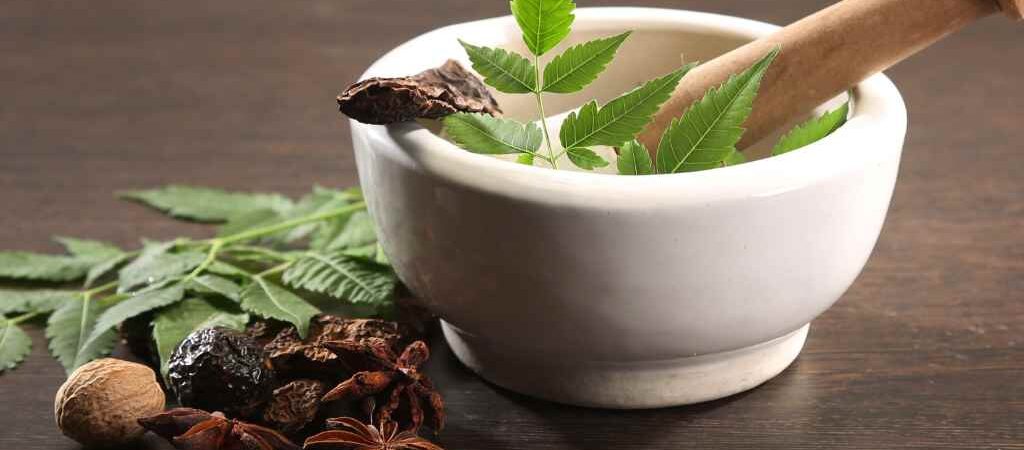
When anxiety strikes, we often look for solutions in meditation apps, therapy, or herbal supplements. While these are incredibly helpful, Ayurveda teaches us that the foundation of a calm mind begins in the kitchen.
In Ayurvedic medicine, anxiety, panic, and racing thoughts are classic signs of a Vata dosha imbalance. Vata is the energy of air and space. When it becomes aggravated, the mind feels scattered, ungrounded, and fearful.
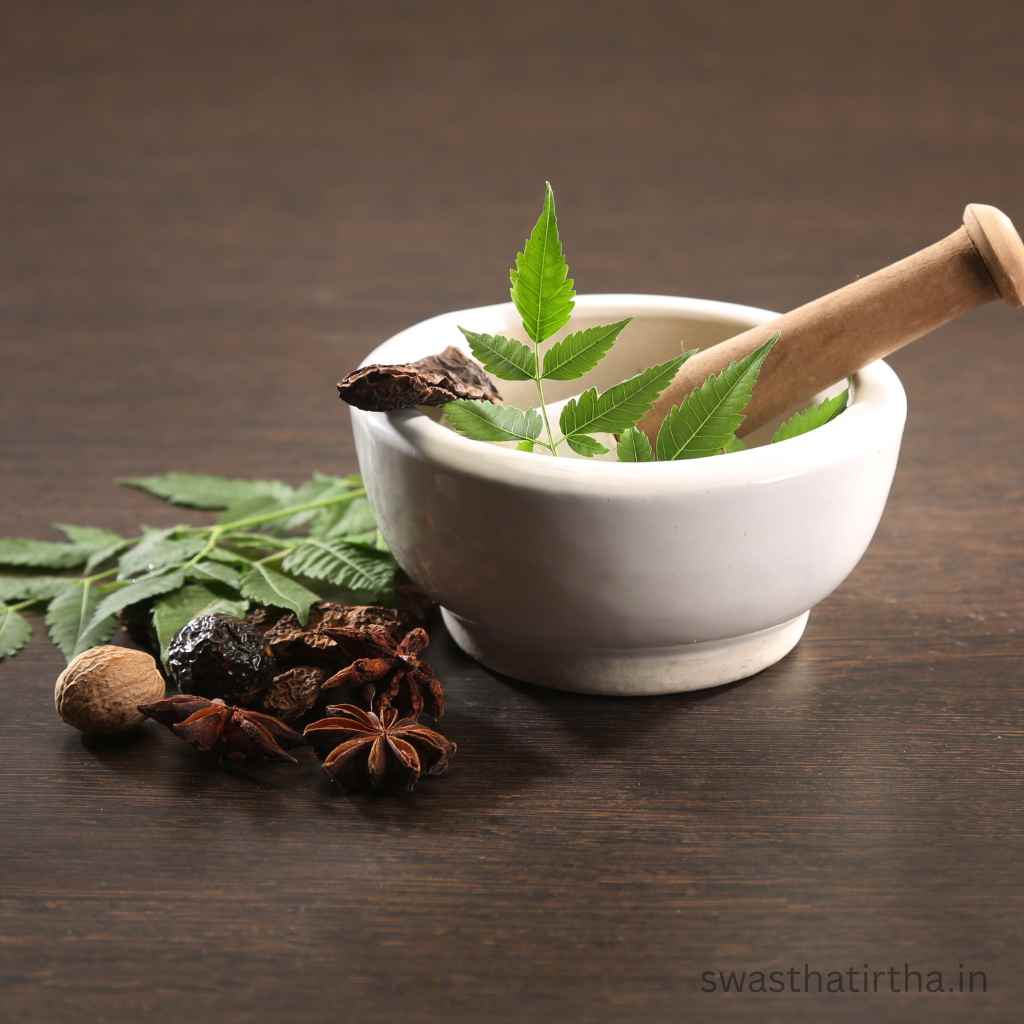
The fastest way to bring Vata back to earth is through Ahar (diet). By adopting a specific Vata dosha diet plan for anxiety, you can use everyday Indian foods to literally calm down and nourish a hyperactive nervous system.
The Connection Between Vata Dosha and Anxiety
Imagine a dry, windy day. Leaves are scattered, the air is cold, and everything feels erratic. This is exactly what happens inside your body and mind when Vata is out of balance.
Vata is characterised by qualities that are cold, light, dry, and mobile. When you eat foods that share these exact qualities (like cold salads, dry crackers, or iced drinks), you increase the erratic “wind” energy in your mind, fueling anxiety.
To heal anxiety, we must apply the Ayurvedic principle of opposites. We must pacify Vata by eating foods that are warm, heavy, moist, and grounding.
3 Golden Rules of a Vata-Pacifying Diet
Before diving into the meal plan, keep these three Ayurvedic food principles in mind:
- Favour Warm Over Cold: Say no to iced water, cold smoothies, and raw salads. Your digestive fire (Agni) needs warmth to process food efficiently. Always eat cooked, warm meals.
- Embrace Healthy Fats (Snigdha): Vata is inherently dry. Lubricate your tissues and protect your nervous system by cooking with high-quality cow’s Ghee, sesame oil, or mustard oil.
- Choose Sweet, Sour, and Salty Tastes: In Ayurveda, these three tastes naturally ground Vata. (Note: “Sweet” refers to naturally sweet foods like root vegetables, rice, and wheat, not refined sugar. Limit pungent (spicy), bitter, and astringent tastes, which aggravate Vata.
The Vata Dosha Diet Plan: Indian Cuisine Focus
Here is how you can structure your day using traditional Indian meals to soothe your nervous system.
Morning: Grounding Breakfasts
Vata is highest in the early morning and late afternoon. Skipping breakfast is disastrous for anxiety, as it leaves the nervous system running on empty.
- Suji Upma: Made with plenty of ghee, warm water, and soft-cooked vegetables like carrots and peas.
- Moong Dal Chilla: A warm, savoury pancake made with soaked split yellow moong dal, cooked in sesame oil or ghee.
- Warm Spiced Oats or Dalia (Broken Wheat): Cooked in warm milk (dairy or almond) with a pinch of cinnamon (dalchini) and cardamom (elaichi). Add a handful of soaked, peeled almonds for heavy, grounding nourishment.
Mid-Day: The Heaviest Meal
Your digestive fire is strongest between 12:00 PM and 2:00 PM. This is the time to eat your heaviest, most nourishing meal.
- The Classic Thali: Freshly made Roti (wheat is naturally sweet and heavy) or warm Basmati rice, topped with a generous spoonful of Ghee.
- Nourishing Dals: Dal Makhani (urad dal) or creamy Yellow Moong Dal cooked with a tadka of cumin (jeera), hing (asafoetida), and turmeric. Hing is incredible for removing Vata-induced gas and bloating.
- Root Vegetables: Sabzis made from grounding vegetables that grow beneath the earth—sweet potatoes, carrots, beetroot, and ash gourd (petha).
Evening: Light, Warm, and Soupy Dinners
Digestion slows down as the sun sets. Eating a heavy, dry dinner will disrupt your sleep. Keep dinners warm and slightly soupy to soothe the stomach and prepare the mind for rest.
- Khichdi: The ultimate Ayurvedic comfort food. A soft, soupy mix of rice and moong dal cooked with turmeric, cumin, and ghee. It is pre-digested and incredibly comforting for a stressed nervous system.
- Warm Soups: Bottle gourd (Lauki) soup or carrot and ginger soup with a slice of warm, buttered bread.
- Bedtime Tonic: A cup of warm milk boiled with a pinch of nutmeg (jaiphal) and Ashwagandha powder 30 minutes before bed.
If you are struggling with severe nighttime anxiety, the right diet must be paired with daily routines. Learn more about evening rituals in our Complete Ayurvedic Guide to Managing Stress and Anxiety Naturally.
Foods to Strictly Avoid (Vata Aggravators)
If you are suffering from anxiety, treat the following foods as absolute triggers and remove them from your diet until your nervous system heals:
- Caffeine: Coffee, strong black tea, and energy drinks violently spike cortisol and send Vata into overdrive. Switch to CCF tea (Cumin, Coriander, and Fennel) or Tulsi tea.
- Dry, Crunchy Snacks: Chips, popcorn, plain rice cakes, and dry-roasted chana. Their dry, airy qualities directly increase Vata.
- Raw Vegetables: Raw salads, cabbage, and broccoli are extremely difficult for a Vata-compromised digestive tract to break down, leading to gas, bloating, and increased mental unrest. Always steam or sauté your vegetables.
- Cold and Carbonated Drinks: Sodas and ice water extinguish your digestive fire and create sudden shocks to the system.
Mindful Eating: How You Eat Matters
In Ayurveda, eating a perfectly balanced Vata meal in a state of rush or panic ruins its nutritional value. To heal anxiety, you must eat in a calm environment. Sit down, turn off the television, put your phone away, and chew your food thoroughly. By eating mindfully, you signal to your body that it is safe, allowing the parasympathetic nervous system (the “rest and digest” mode) to take over.